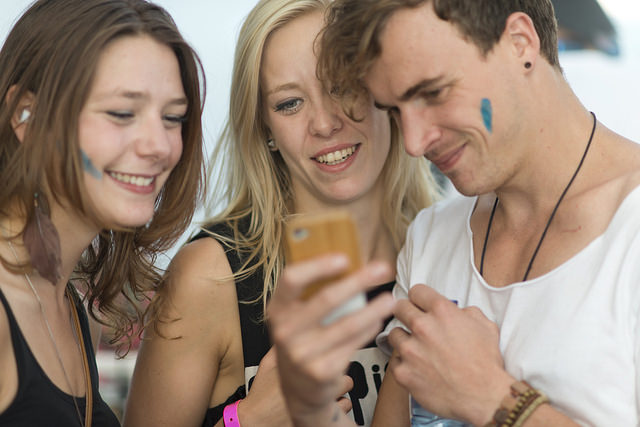
Event Marketing to Millennials
Any event company who markets to millennials by using traditional methods and age-old stereotypes of what young adults are looking for, will find themselves scratching their heads and poring over failed marketing strategies and a loss of sales. While it makes sense for companies to market to millennials, after all, they are the largest generation by population size, their particular marketing language is notoriously difficult to pin-point.
In just 20 years, technology has created a generation that operates on a level so far removed from the old-school style of finding a job, then marrying, buying a house and having children, that using these as marketing tools to millennials, will be a complete waste of resources.
It’s not that this demographic are not spending any money. It’s just that the current economy has all but crushed those ideals. Studying is expensive, jobs are really hard to come by, and these days, both marriage and buying a house, are extremely rare before the age of 30 at the very least. Millennials will invest their time and money in quality and community, and above all are most likely to invest in brands will the highest level of transparency.
So, how should event marketers be interacting with millennials?
The Millennial Profile
Millennials are outspoken and have grown up with the internet and therefore, social media. Airing their views and interacting with brands online is not a foreign concept to them at all. In fact, it forms an integral part of how they develop relationships with brands. In this arena, millennials are fluent in the language of social media and how brands should be conducting themselves online.
If you have no social media presence, or your online language is stiff and forced, you will be ignored at best, mocked at worst. Brands who successfully endear themselves to this group are those that don’t take themselves too seriously, and never lose customer-focus or deem themselves above interacting on a more personal level than a generic customer-service response.
Conversing positively online is the best way to get millennials to respond to your brand and share your content. In other words, if your event is for over-18’s only or has a dress code, instead of coming across as bossy or threatening, just be fun and informative. You’ll get a much better response.
Blogs are the new newspapers
Millennials often turn to their favourite blogs as trusted sources of information for lifestyle trends. This is a major influence in many of their decisions. These days’ Hollywood celebrities have little influence when it comes to endorsing a brand. The celebrities with the most influence and power are those who have been voted into that status by the millennials themselves, with views, likes and shares of a blogger or vlogger.
So if you want to tap into this market to promote an event, it is best to either approach a successful blog for an endorsement, or have your own company blog update with fresh, relevant and shareable information. Remember to use lots of good images, links to YouTube videos and quick, easy to read “How-Tos’” or “Listicles”.
Millennials Favour Mobile
With over 80% using smartphones for their online activities, your website has to be optimised for mobile, for everything from information and maps to booking and ticket buying. If not, then you might just as well put up a single flyer in a shopping mall and hope for the best. Millennials are not very patient when it comes to online usability, and who can blame them? With so many choices, literally at their fingertips, there is a lot of information to process with a much shorter attention span.
If millennials are searching for event information on a mobile device then you need to make sure they can find you as quickly as possible and have no need to move on, once they are there.
Get to know your .gifs from your memes, and your vines from your snapchat
And follow what’s trending in order perfect the online language of the millennial. Graphics, animations and YouTube clips are good tools to use to get attention. Use humour, make reference to hot trends in young business, lifestyle and entertainment cultures, with original content that is appropriate and fun. This doesn’t mean millennials are not highly intelligent consumers, but rather, that they want to be entertained by your brand in order to connect on an emotional level. After all, it is mostly emotion that drives consumer spending habits.
Avoid language that is either condescending or excessively formal and ditch the sales gimmicks or free offers with a hidden catch. These are cliché and as obvious as a flashing neon sign.
If your event marketing speaks the language of millennial consumers and pays close attentions to their spending habits, then ticket sales to your events should currently be the hottest item on the market.