The Value of Value Propositions
What makes a person decide to read more about your service or product, rather than move on to another site or article? It’s simple: your value proposition.
What are value propositions?
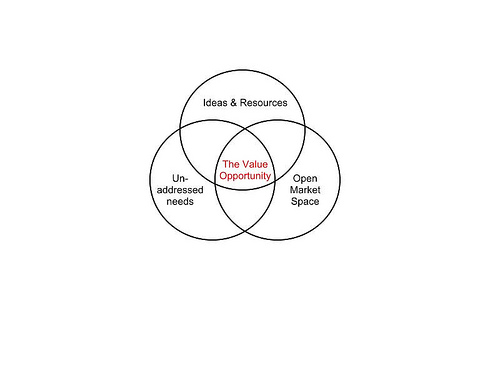
Your value proposition is the promise of delivery of value to your customer. It is a clear explanation of specific benefits that persuades the target customer why they should go with your brand or product, and not another. A value proposition should be the first thing readers see on your website’s home page, and should also be clearly visible on all the website’s main entry points.
What is a compelling value proposition?
For maximum impact, your value proposition should be in the form of a clear statement. Remember that real, ordinary people will read it, so you should avoid all industry-related jargon.
The winning formula
A persuasive value proposition (usually made up of a picture and a block of text) should answer the following questions:
1. What service or product is for sale?
2. What is the end-benefit of choosing this option?
3. Who is the ideal customer?
4. Why is it unique?
The last question contains the biggest challenge for brands and marketers in today’s crowded market. If you’re selling the same type of product or service as a thousand other businesses, it can be very difficult to set your offering apart from your competition. Click here for more information about how to create a unique value proposition for non-unique products and services.
Thankfully, you only need to be perceived as unique in the consumer’s mind, which is where the closing of a sale occurs. You don’t have to be unique out in the real world of your market competition.
Testing it out
Introducing your value proposition to a full, busy marketplace can feel overwhelming. If you do your research, reflect on your brand, and test your value proposition, however, you can succeed. Don’t mimic your competitors’ site structures and image styles; rather sit back and observe, taking notes and doing your research on what works and what doesn’t. When the time is right, test your idea, and if it fails, use the opportunity to learn from your mistake. You’ll get it right in the end, and you’ll maintain your originality and integrity as a brand.